Is a Toothache an Emergency? How to Know When to Call Right Away
You've got a toothache right now, and you're stuck on one question: is this bad enough to call, or can it wait? Here's the honest answer — some toothaches can wait a day or two, and some shouldn't wait at all. This tells you which one you're dealing with, what's likely going on, and how to ease the pain until you're seen. If the pain is severe, you've got swelling or a fever, or it's keeping you up, don't wait this out — call
(518) 899-5800
now.

The Signs That Mean Call Now
Some tooth pain is your body signaling an infection or a problem that's getting worse by the hour. Treat these as call-right-away situations, even after hours:
- Severe pain that over-the-counter medicine isn't touching
- Swelling in your face, jaw, or gums — or a swollen, painful bump near a tooth
- A bad taste or discharge, which can signal a draining infection
- Fever along with tooth pain
- Pain that wakes you up at night or throbs steadily
- Pain plus a loose tooth in an adult, or pain after an injury
The one that worries dentists most is a
dental abscess — a pocket of infection, often showing up as a pimple-like bump on the gum. An abscess will not clear up on its own, and the infection can spread. If you suspect one, call us right away, even at night.
Toothaches That Can Usually Wait a Day or Two
Not every ache is an emergency. These are worth a call, but generally don't require after-hours care:
- Brief sensitivity to hot or cold that fades within seconds
- A mild, occasional ache with no swelling and no fever
- Discomfort from food stuck between teeth that eases once the area is cleaned
- Sensitivity right after a recent filling, which often settles over a few days
If you're ever unsure which category you're in, call and describe what you're feeling. You'll talk to a real person who can help you decide — and that's true 24/7. For the bigger picture on triaging any dental problem, see our main guide to
dental emergencies in Malta, NY.
What Your Toothache Might Be Telling You
Pain is information. While only an exam (and sometimes an X-ray) can confirm the cause, here's what different kinds of pain often point to:
- Sharp pain when you bite down can mean a cracked tooth or a cavity reaching the deeper layers.
- Lingering sensitivity to hot or cold that hangs on after the food is gone can mean the nerve inside the tooth is inflamed or infected — sometimes a sign a root canal may be needed to save the tooth.
- Constant, throbbing pain with swelling often points to an abscess or significant infection.
- A dull ache near the gumline can be early gum inflammation or a tooth that needs attention.
Here's the reassuring part: the discomfort people dread from a root canal is usually the infection talking — the treatment is what relieves that pain. Caught in time, the tooth often gets to stay. Wait too long, and the same tooth may need to come out instead.
How to Ease the Pain Until You're Seen
While you arrange to be seen, these steps help most dental pain:
- Take an over-the-counter pain reliever — ibuprofen or acetaminophen, as directed on the label.
- Use a cold compress on the outside of your cheek to calm pain and swelling.
- Rinse with warm salt water to soothe the area and keep it clean.
- Avoid extremes — skip very hot, cold, sweet, or hard foods near the sore tooth, and chew on the other side.
A couple of don'ts: don't place an aspirin directly on the gum or tooth — it can burn the tissue without helping the pain. And don't try to wait out swelling or a fever in the hope it passes. Those are signs to call.
Don't Tough It Out — Call
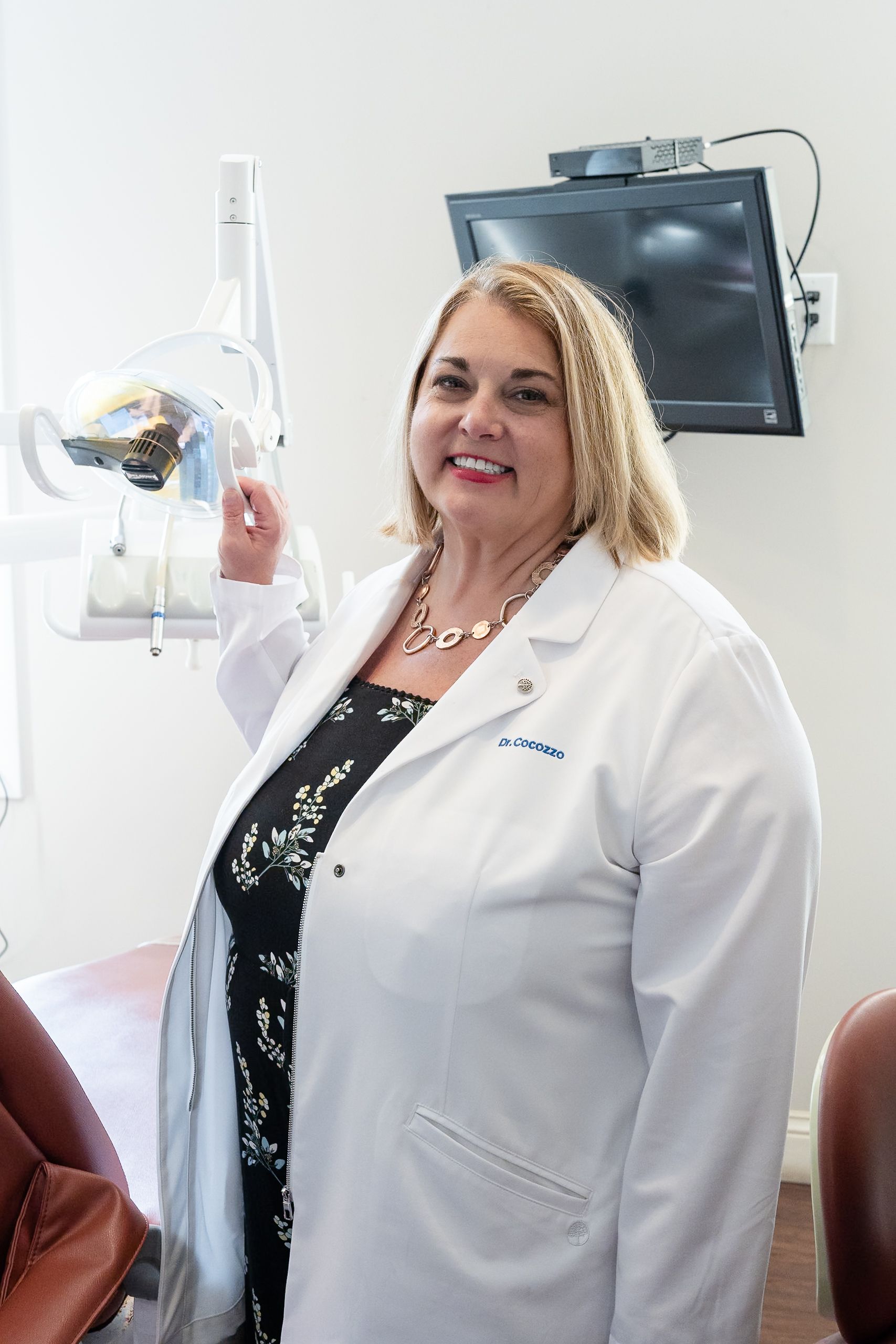
A toothache that's escalating is not something to power through. The sooner you're seen, the more options Dr. Cocozzo has to fix the problem comfortably — and the less likely it becomes something bigger. She'll show you exactly what she's seeing, explain what it means in plain language, and give you honest options with no pressure and no judgment, whether it's been six months or six years since your last visit.
If a tooth can be saved, she'll coordinate care from start to finish, including a referral to a trusted root canal specialist when that's the best path. If it can't, she handles most
tooth extractions right here and will walk you through replacing the tooth. Either way, you won't be navigating it alone.
Call (518) 899-5800 — during the day you'll reach our team, and after hours our patients reach a real person through our longtime Albany answering service, who reaches Dr. Cocozzo directly. That after-hours access is part of being a patient here; if you're not one yet, establishing care is what puts it in your corner. We care for families across Malta, Ballston Spa, Saratoga, Clifton Park, Stillwater, and Mechanicville.
Frequently Asked Questions
Is a toothache always a dental emergency?
Not always. Severe pain, swelling, fever, a bad taste, or pain that wakes you at night should be treated as urgent. Brief sensitivity to hot or cold, or a mild occasional ache with no swelling, can usually wait a day or two — but a quick call helps you be sure.
What are the signs of a dental abscess?
Common signs include a swollen, painful bump on the gum, throbbing pain, swelling in the face or jaw, a bad taste, and sometimes fever. An abscess won't heal on its own and can spread, so call right away — even after hours — at
(518) 899-5800.
How can I stop a toothache fast at home?
Take over-the-counter ibuprofen or acetaminophen as directed, apply a cold compress to the outside of your cheek, and rinse with warm salt water. Avoid very hot, cold, or hard foods near the tooth. These ease pain temporarily — but call your dentist for the cause.
Why does my tooth hurt more at night?
Lying down increases blood flow to your head, which can make a tooth throb more at night. Pain that wakes you up or keeps you from sleeping usually signals an inflamed nerve or infection and should be evaluated promptly.
Does tooth pain mean I need a root canal?
Sometimes. Lingering sensitivity to hot or cold, or constant throbbing pain, can mean the nerve inside the tooth is infected, which a root canal can treat while saving the tooth. Only an exam and X-ray confirm it — Dr. Cocozzo will show you what she sees before recommending anything.
Recent Posts